


✺ Plantain: The Glitch in the Banana Program | I Eat Tings


I Eat Tings
A study of the tongue, memory, and diaspora through food.
Each dish is a portal.
I Eat Tings is a BespokeCurry series exploring African and diasporic foods through memory, embodiment, and the politics of taste.
✺ Plantain: The Glitch in the Banana Program | I Eat Tings

I was a kid who liked bananas.
Though I preferred them with a little green still holding on, before they began to melanate fully.
And yes, I know this is controversial, but I even loved banana Laffy Taffy. Hated by many. Revered by me.
Artificial banana flavor never offended my tongue.
When I finished grad school, we threw a small celebration in California. One of the desserts I offered came from this banana pudding lady who had taken the classic Black pudding and turned it into a whole universe of flavors.
Every one of them was delicious.
So the banana had always been a presence in my life.
But plantain didn’t arrive until later.
I grew up with a mother who was very bougie and very proud of her colonized eating habits. When she introduced me to “new” foods they were rarely connected to Black or African lineage.
The expansion of my palate came through European prestige foods instead.
Pâté.
Charcuterie — or what I lovingly call charcoochie, my personal term pinned in Chicago circa 2021.
These foods were presented as sophistication. As elevation. As the proper way to develop taste.
But none of it pointed my tongue toward the food histories that actually belonged to me.
Plantain and jollof were tings I learned next to Jamaican patties and coco bread on hot sweaty nights at Caribbean Hut — now called Island Vibes — in Nashville.
While my days with cis men are long gone, the ones that showed care in their own selfish ways were African men.
I remember one cat who had some woman in his family making me jollof and Nigerian fried rice.
And let’s tell the truth.
I took full advantage of the opportunity.
The smoky spicy crayfish flavors restored a warmth in me those men never could.
But we live.
We learn.
We grow.
And hopefully we eat some good shit along the way that makes the trauma less rough around the edges.
There was also Jamaicaway — a Nashville classic. Saturdays at the farmers market always required a stop.
Later, living in DC, I learned about East African food back when U Street was still a legacy tribute to all tings Black.
Ethiopian food.
Ben’s Chili Bowl.
Busboys and Poets.

Black body speaking with intention, reflecting on East African foodways after Baobab Fare, describin Overhead view of East African takeout from Baobab Fare, multiple dishes arranged in containers, a sp Soft, unfocused image of fried plantains, edges blurred, sweetness present but just out of reach, li Nyumbani dish reheated at home—tender beef in tomato sauce with fried plantains and peanut-stewed sp 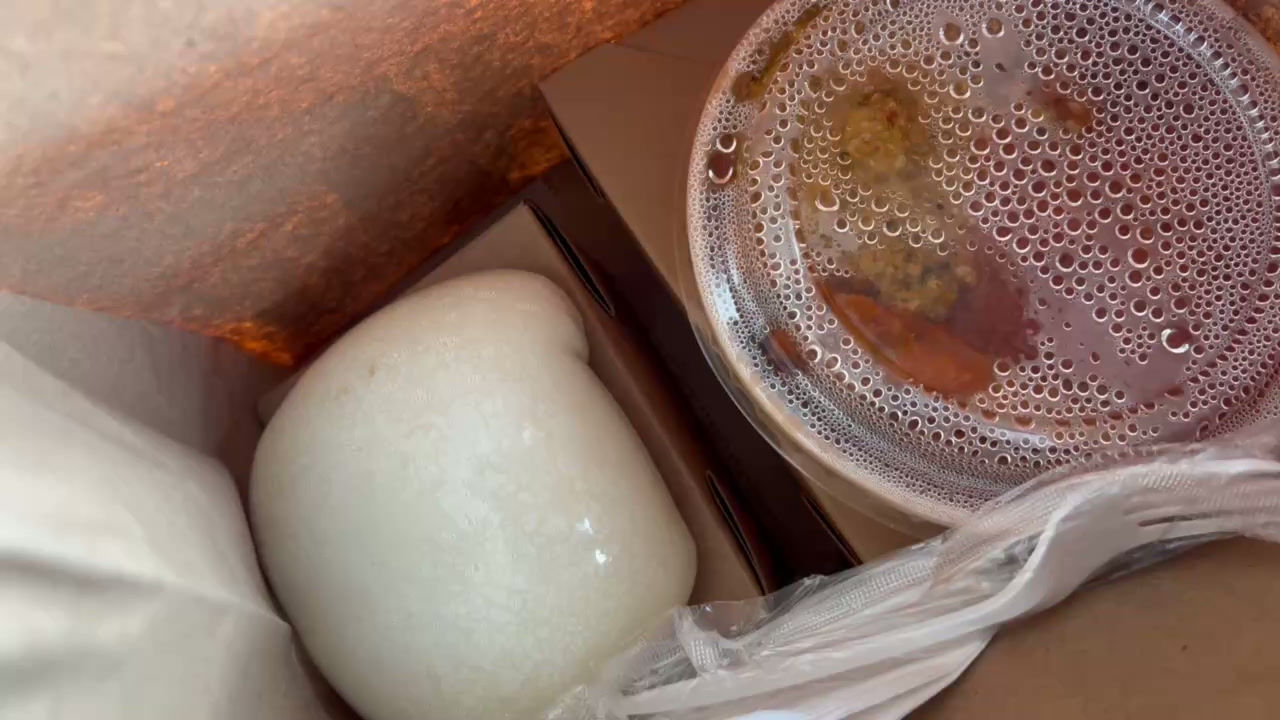
Overhead view into a takeout bag from Detroit Jollof, showing fufu and egusi, food held in transit b Menu from Touba African Restaurant, listing dishes that trace across the African diaspora through fl
And most recently Detroit has become a beacon for delicious African eats.
Baobab Fare.
Detroit Jollof.
Touba African Restaurant.
All three I highly recommend.
Across all of these places, across the Black diaspora, there was one delicious ting that kept showing up again and again.
Nashville
Washington DC
Detroit
Different cities.
Different kitchens.
Same fruit.
Plantain.
A kind of diasporic bridge.
A fruit that whispers into the sweetness we have always been deserving of.
A sweetness empire tried to ration.
The Banana Program
The banana you see in every grocery store today is not really the full story of the fruit.
Empire flattened the banana into sweetness.
The modern grocery store banana was engineered for convenience, for shipping, for uniformity. One fruit pretending to be all fruit.
Originally there were hundreds of banana varieties. Different textures. Different sweetness levels. Different uses.
But monoculture prefers simplicity.
And colonial food systems trained our tongues to expect exactly one version.
Peel.
Eat.
Sweet.
The banana asks almost nothing from the tongue.
Plantain is something else entirely.
//// GLITCH IN THE BANANA PROGRAM ////
The Plantain Glitch

Plantains demand:
timing
heat
oil
salt
patience
Bananas ask almost nothing from the tongue because they are a tool of colonial convenience.
Programming.
colonial wild fire.
But plantain, time and time again, glitches into you.
The plantain survived wild and feral on the tongue while our tongues are literally being offered one fruit pretending to be all fruit.
As if to say Black bodies are a monolith.
When we know our expanse stands tall.
Plantain refuses that lie.
Plantain is:

starch
savory
sweet
green
yellow
blackened
fried
boiled
mashed
A depth of diversity.
Like us too.
We refuse simplicity in the timeline of us.
A New Era of the Tongue
As I begin my journey of eating and creating these foods at home — something that deepened after cooking domoda recently — I realize I’m in a new era.
Undiagnosed me was definitely a tostones hom(e)ie.
Salty.
Savory.
Maybe with a dip or two.
This me loves sweet plantain.
Especially day two, reheated in the oven.
Edges caramelized like burnt taffy.
The sweetness sticky enough to hold memory on the tongue.
Care has a flavor.
And the tongue always knows.
Plantain has always trained our tongues to that truth.
And I get the obsession you see across social media because I am trying to find all the ways to engage plantain in my life.
Plantain breads.
Plantain ice cream.
Plantain everywhere.
But there is something deeper and unyielding about plantain as it finds itself at the corner of trend and appropriation.
Plantain will forever be a symbol of the depth and intricacies of Black and brown life.
We require slow and intentional care.
We require time.
CP ULTRA.
And heat.

The sun on melanin restores us anew.
We need oil to maintain a moisturized body of wata and some of us even prefer coconut oil.
We are salt of the earth.
And we have embodied a patience beyond alienation that continues to sit just outside of empire’s understanding.
Frying Sweet Plantain as Embodied Practice
Buy them hella green.
Watch how magical melanin is alchemically.
Those same brown spots that appear on the plantain are the brownness of we.
Green → yellow → black.
Starch → sweet → deep sugar.
Yellow plantain becomes caramel starch.
Black plantain becomes sugar memory.
Use a cast iron skillet.
Use coconut oil.
Keep the heat medium or medium-low.
Turn on your favorite playlist.
Listen to the slow sizzle.
Plantains don’t scream in oil.
They whisper into sweetness.

Peep the fingerprint each plantain makes depending on how long you let it fry.
Golden brown.
A bit deeper.
Burnt.
Let it linger on your tongue.
Let it sit in the body.
And see what ancient ancestry replies.
Sometimes the answer tastes like:
glorious hallelujah.
Freshly fried plantains resting in a pile on a rack, cooling and settling, their heat easing as swee Plate of domoda with fried plantains and collard greens, paired with a glass of fresh orange juice. 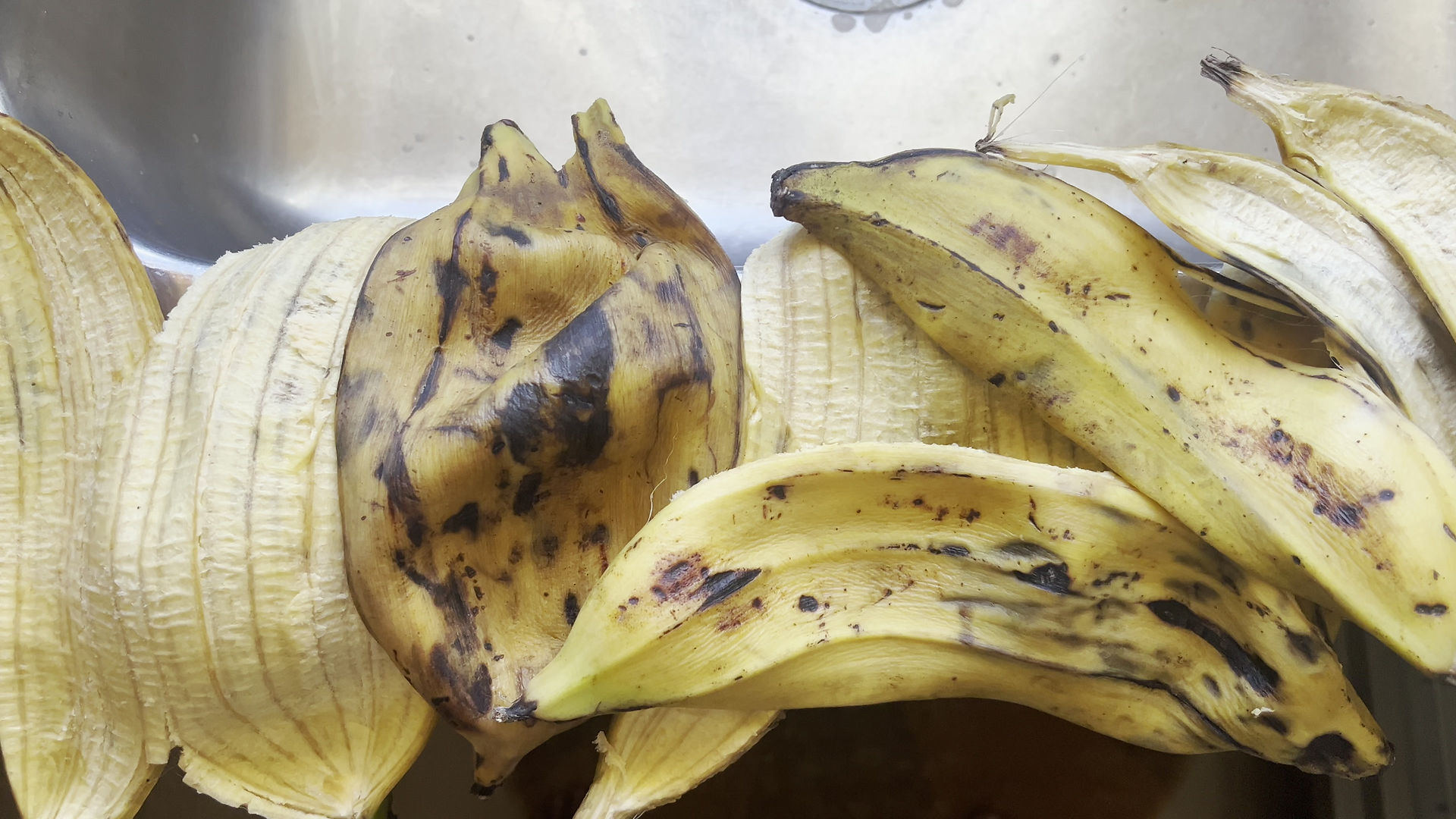
Discarded plantain peels, curled and darkening, remnants of transformation after the fruit has been Discarded plantain peels, curled and darkening, remnants of transformation after the fruit has been Close-up of fried plantains showing delicate fingerprint-like lines. Coconut oil melting into a cast iron skillet Whole plantains resting in a glass bowl, skins intact. 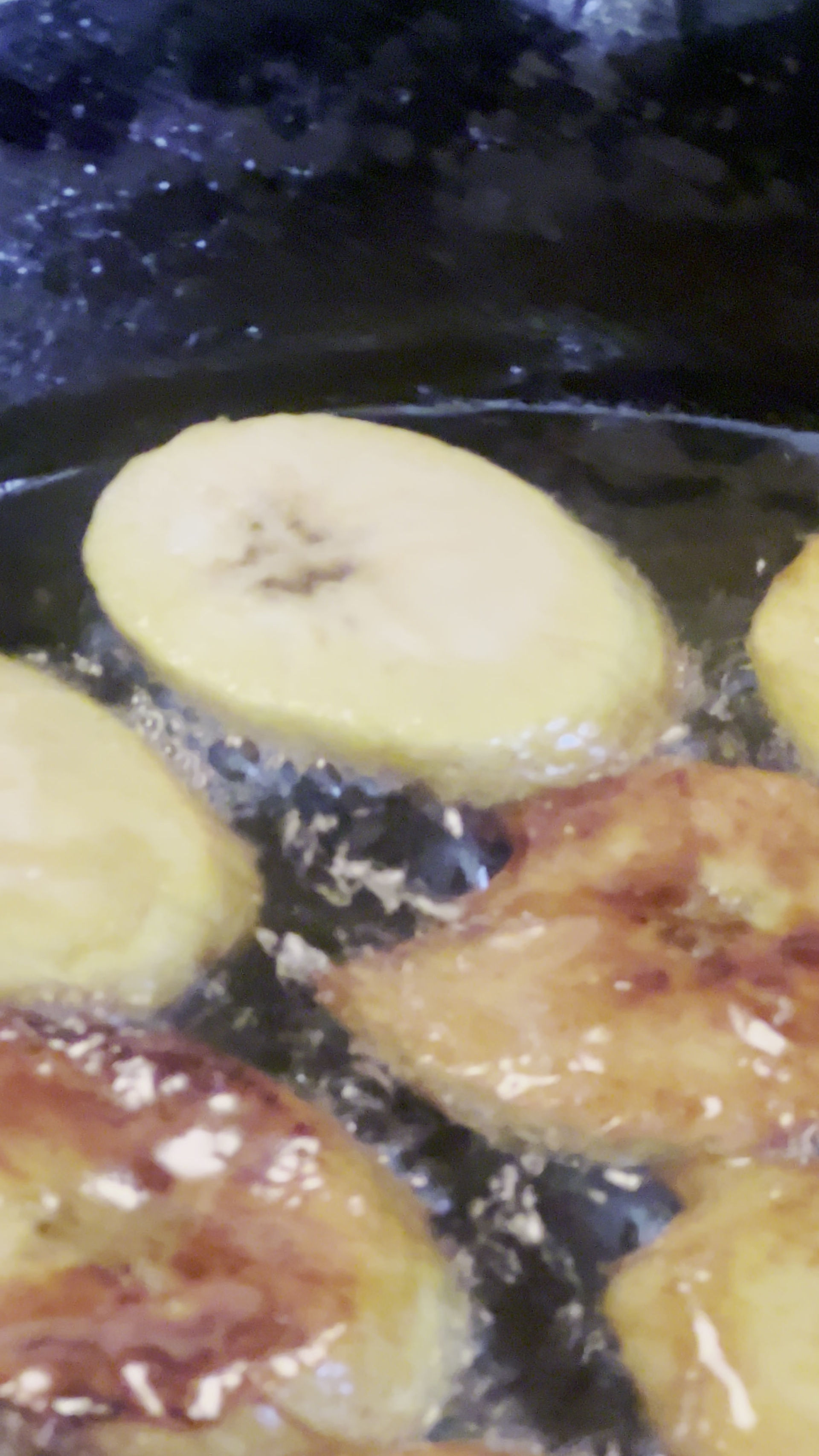
Plantains frying in hot oil, edges browning, surfaces caramelizing as heat activates sweetness.

Tongue Check
Taste the air.
Taste the plate.
Taste what remains.
What is sweet.
What is bitter.
What is missing.
The tongue always knows.
I Eat Tings
A study of the tongue, memory, and diaspora through food.
Each dish is a portal.


Comments