


≋̱✺ fungi tings — on designer strains

The louder the strain sounds, the stronger the visuals are, the higher the THC climbs, the more engineered and “rare” the lineage becomes — the more value gets assigned to it.
≋̱✺ fungi tings

on da left hand side of mushrooms and roses
this is not a space for psychedelic performance.
not conquest.
not ego death competitions.
not rupture for spectacle.
fungi tings documents relationship.
the nervous system.
integration.
masking.
grief.
joy.
the slow recalibration of neurodivergent Black bodies learning how to feel themselves safely again.
the phrase “on da left hand side of mushrooms and roses” emerges from multiple signals crossing at once: the Mighty Diamonds’ Pass the Kutchie, where sacred rastafari language was appropriated and softened into consumable performance culture, and Janelle Monáe’s Mushrooms & Roses, one of the rare mainstream Black queer invocations of fungi, softness, sensuality, and altered embodiment.
the left has long been treated in western culture as defect, danger, wrongness.
here the left is sacred.
what is meant to be held, protected, listened to — passes left.
what must be dismantled, rewritten, interrogated — passes right.
these field notes are not medical instruction.
they are records of relationship.
≋̱✺ fungi tings — on designer strains

There is a difference between a strain being strong and a strain being useful.
And I think the industries around both cannabis and fungi are increasingly losing the ability to tell the difference.
Because capitalism does not reward stability.
It rewards novelty.
Spectacle.
Extremity.
Exclusivity.
The louder the strain sounds, the stronger the visuals are, the higher the THC climbs, the more engineered and “rare” the lineage becomes — the more value gets assigned to it.
Even when the body is quietly telling another story.
⸻
I keep noticing that many of the strains that actually support regulation, rest, emotional steadiness, nervous system softness, and sustainable healing are often older strains.
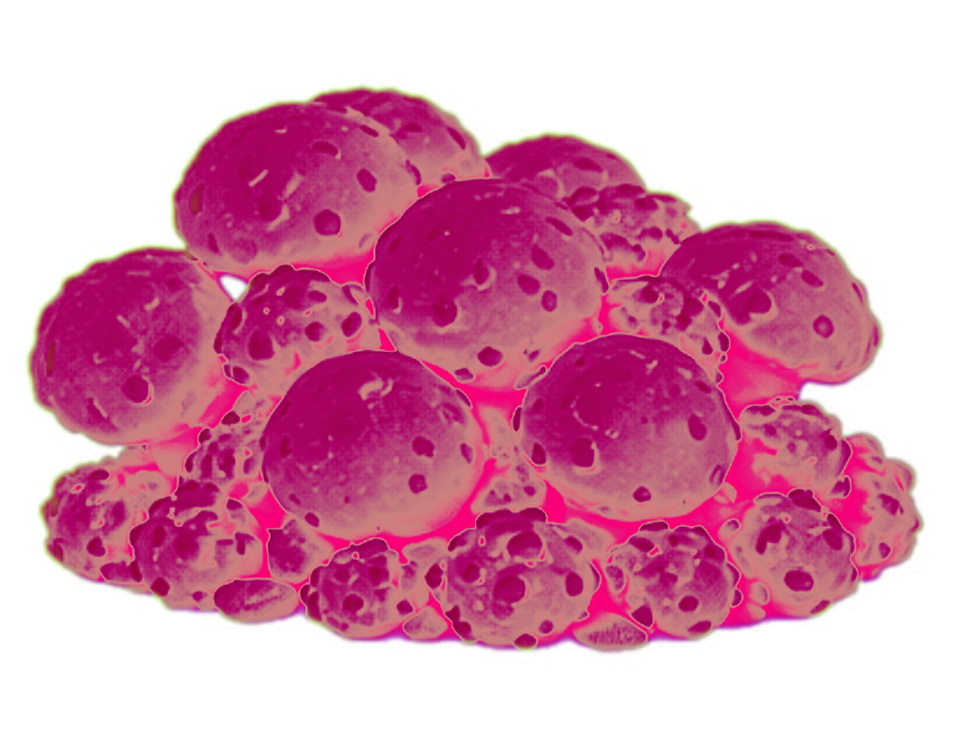
Ground-level strains.
OGs.
Not because old automatically means better. But because many older strains still carry relationships to the body that have not been fully overtaken by spectacle engineering.
Take something like Grand Daddy Purp.
Still one of the most effective sleep strains I’ve ever encountered.
Not flashy.
Not trendy.
Not constantly marketed as revolutionary.
Deep body softening.
Stillness.
Regulation.
And importantly: sustainability.
The body can return there repeatedly without feeling fragmented afterward.
⸻
Then there are newer strains like Glitter Bomb.

A designer strain that I actually enjoy.
Especially for sleep.
Beautiful flavor.
Interesting profile.
Soft body drop.
But even then, I can feel the difference.
It does not sustain in the same way Grand Daddy Purp does.
There is still a layer of engineered excess sitting underneath it.
A slight pressure toward performance.
Toward spectacle.
Toward “more.”
And I think many people can feel that intuitively even if they do not yet have language for it.
⸻
Fungi culture is becoming even more extreme.
Bluey Vuitton clarified that for me immediately.
The visuals were stunning.
Wild.
But the reintegration cost was too high for my nervous system.
And I think what concerns me most is how normalized this has become.

Every few months there is:
a new cross
a stronger strain
a more intense variant
a more visually overwhelming experience
As if the goal is to completely overpower the body.
But for what?
At what point does relationship disappear and pure stimulation take over?
⸻
And honestly, I do think masculinity plays a role in this.
Especially cis white masculinity.
Because so much of modern strain culture — in both fungi and cannabis — feels shaped by:
conquest
optimization
domination
intensity tolerance
pushing limits
proving capacity
Bigger visuals.
Higher THC.
Harder trips.
Stronger genetics.
Everything becomes escalation.
And escalation gets confused with mastery.
But healing does not always arrive through escalation.
Sometimes healing arrives through enoughness.
Through safety.
Through the body finally realizing it does not need to survive intensity in order to deserve softness.
⸻
This is why I increasingly think people interested in intentional healing relationships should begin with strains that still feel connected to the ground before immediately chasing engineered novelty.
That does not mean rejecting all lab-created strains.

Some are genuinely useful.
But I think the nervous system needs a baseline relationship to stability first.
To regulation.
To slower signals.
Especially for neurodivergent and melanated bodies already carrying enormous sensory and emotional load.
⸻
And there is another layer to this too.
Niche cannabis communities — especially highly curated “connoisseur” spaces — almost always position themselves through exclusion.
Who has access.
Who understands the language.
Who gets legitimacy.
Who gets treated as intentional.
And Black bodies are almost always treated differently within those systems.
For them: wellness healing craft plant medicine biohacking
For us: druggies.
Even while we are often carrying deeper embodied relationships to the plant itself.
That contradiction is everywhere in cannabis culture.
⸻
I think what I’m trying to build through these field notes is a return to relationship.
Not performance.
Not optimization.
Not proving how much the body can survive.
Just: listening closely enough to understand what actually helps.
And increasingly, I think many nervous systems are asking for less spectacle and more steadiness.
Not the loudest strain in the room.
Just one that lets the body come home safely.

the goal is not disappearance.
not transcendence through force.
not becoming endless signal.
the goal is to return gently enough that the body still recognizes itself afterward.
take what serves.
leave what fragments.
move slowly with your nervous system.
some doors do not require breaking to open.
≋̱✺ fungi tings — on designer strains


Comments